

I like art in an uncommon way.
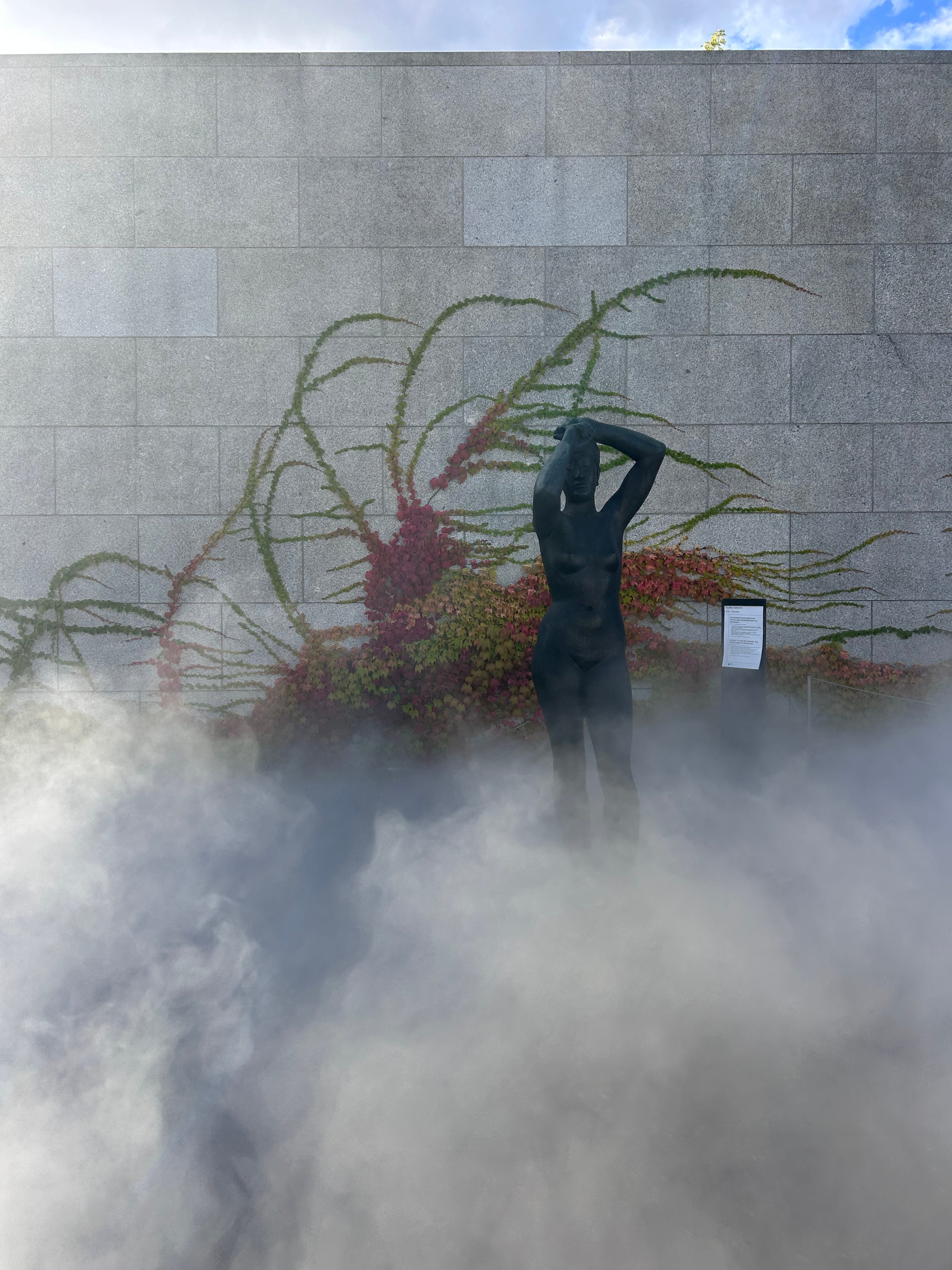
A common approach involves rapid-fire run-throughs of details, history, and measurable facts—some intrigue added perhaps to keep the story anchored and mildly spicy. Then finally a clever and satisfying breakdown of the art piece’s relevance. The art deconstructed, its pieces stored away for consumption distributed by way of a generative engine.
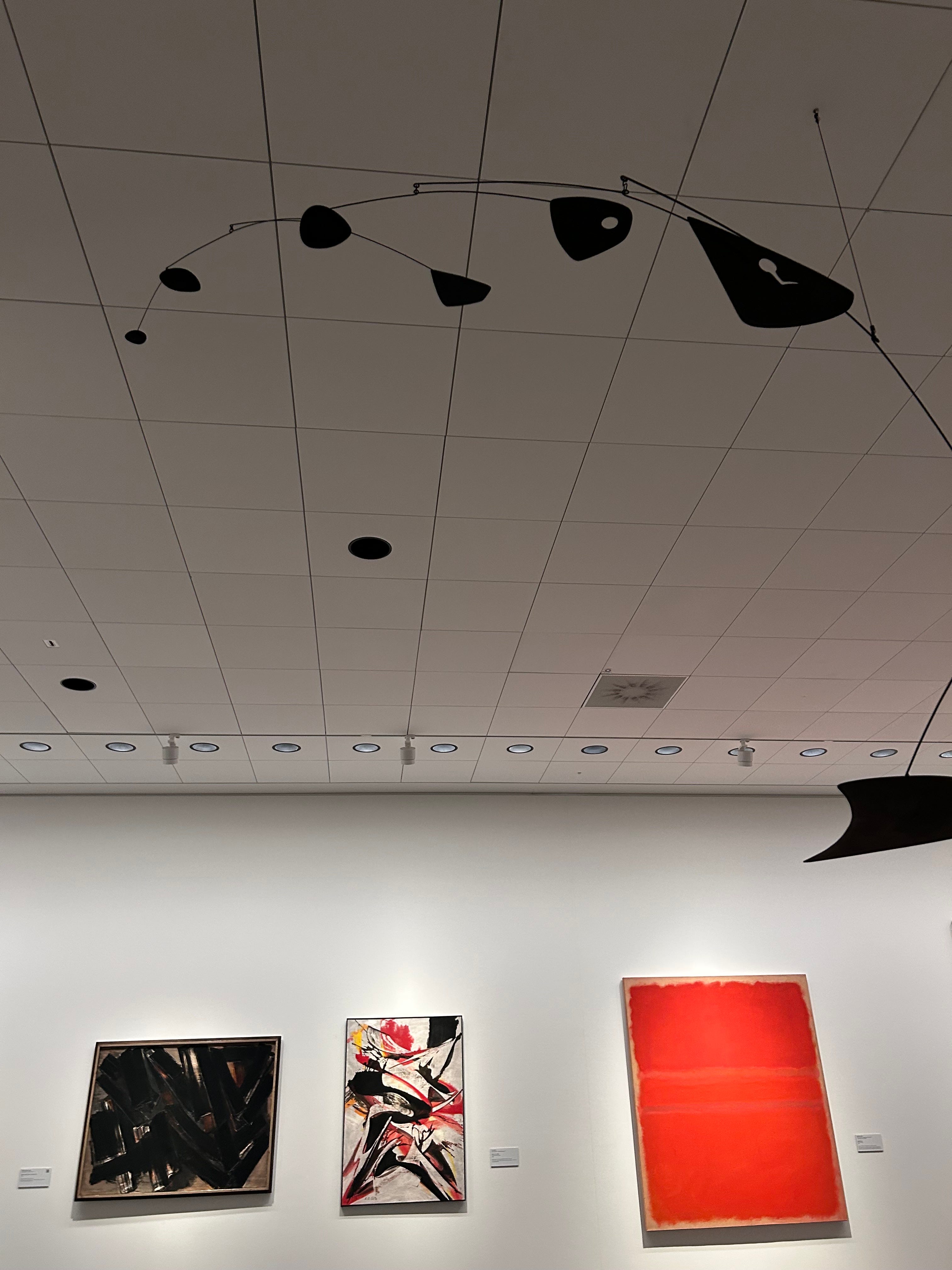
It is intellect as a performance vector. “The world and everything in it is for the taking!” Or so goes the claim.
The context matters here. I suspect it’s an undertaking with clear regards for the financial and a nod to the social. As such eyes are turned towards whether and how a piece defines a moment in history or category of innovation. This method has its role, I suppose. But goals that aim to record or impress pale in comparison to art that channels feelings of somber awe. Meaning is much more likely to be made in the context of grace and humility. (1)(3)
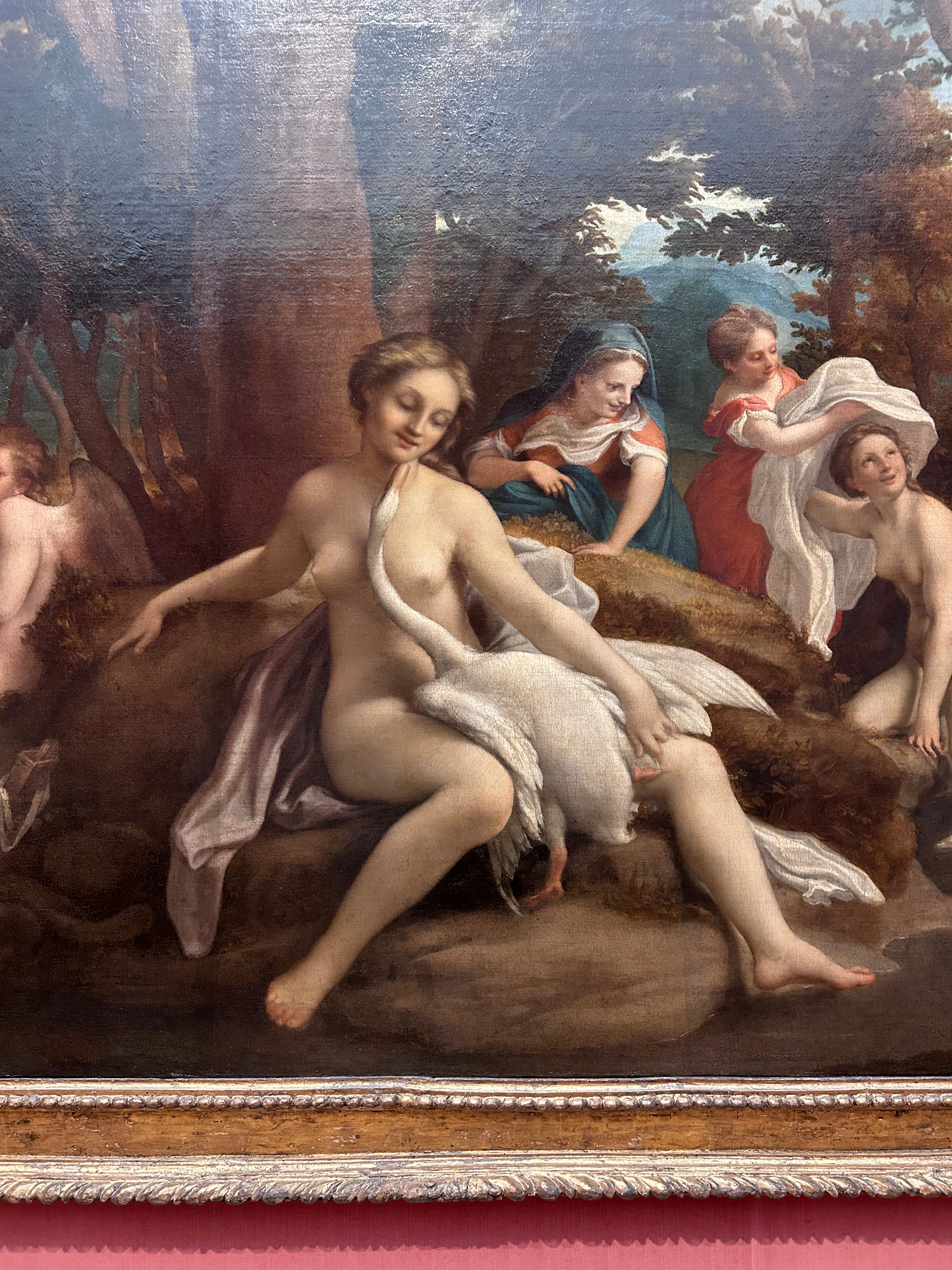
My approach differs entirely. I find the meaning that gets made. I’m less interested in what it is or what I’m looking at. More interested in how it came to be. Why it is. This can be felt if you’re sensitive enough to it. It shows up as memories, feelings, or the fairly loud thoughts that surface. (4) Or a reflexive shiver that’s not from fear.
Sometimes I’m disappointed—and that’s when I encounter a bad map of a territory. But artwork, whether in good taste or not, remains a way of accessing another’s way of being. In cases where territories aren’t available, that’s fine too. Sometimes art belongs in the private wilds or forgotten. (2)
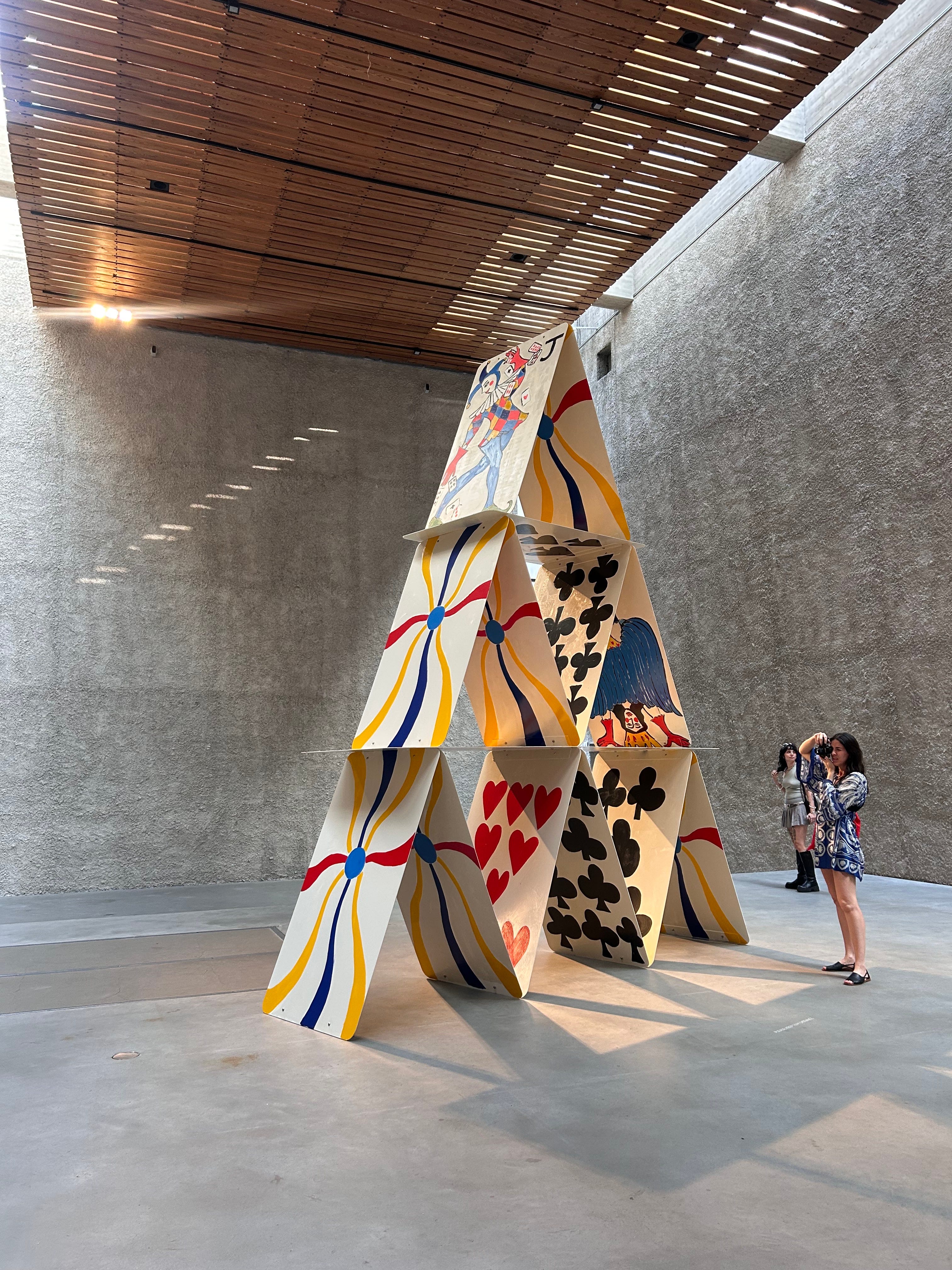
Once access is gained, then so too is pleasure. Pleasure in having new ways to extend perception of the unknown or even of the already known. When can one not be in need of new insight? Or new ways of being and existing. Of interfacing. This is a benchmark I use for artworks I encounter—a key unlocked. The interior seen. Because it is a renewing thing to feel or to be felt. You ascend to new ways of being through something other than a list of claims.
Intellectually, you might understand something. But does it make you? Can you become it? Can you now better see? I’d say probably not. Or at least not for a while.
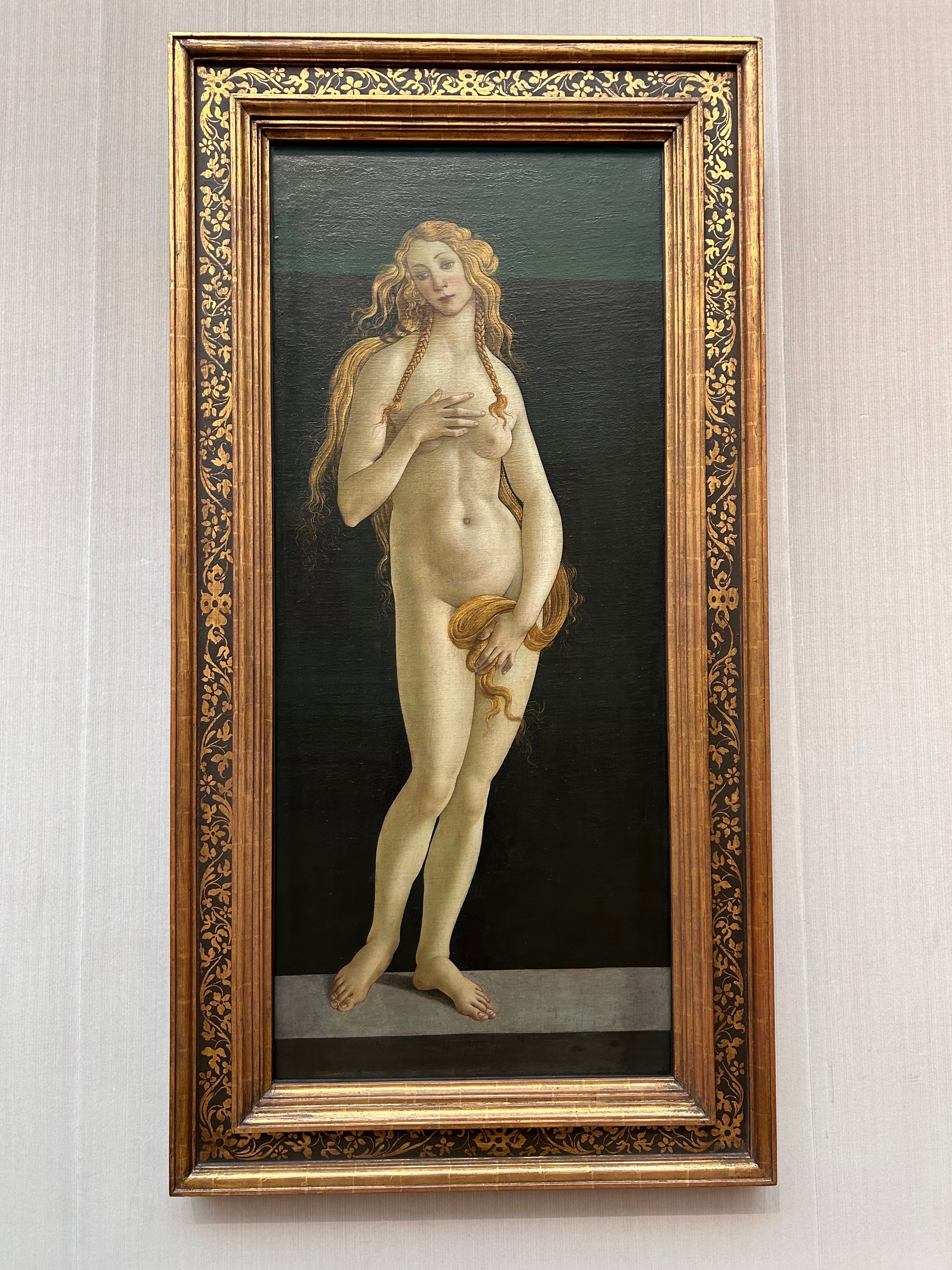
Yet I still make lists of details—claims to remember and to sort out. I note the many vines that reach up countless townhomes. The intentional and abundant green sidewalk overgrowth. The rows of mopeds, bicycles, and scooters, and the camouflaged but well-ridden bicycle paths.
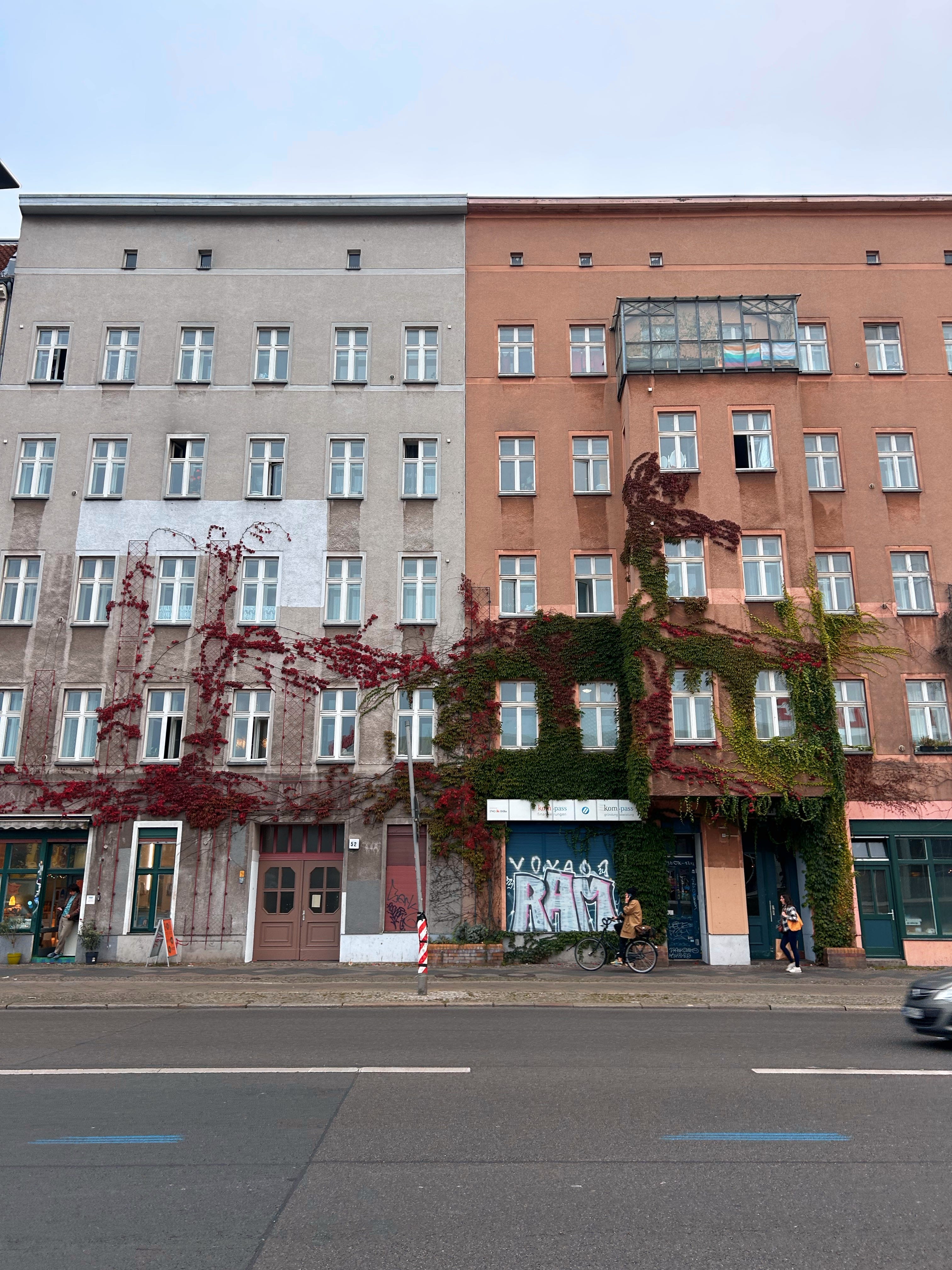
Details, especially ones that keep surfacing, signal the nature of a location’s reality. I wait to welcome the elation that arrives when sense is made. The synthesis shows up gently like a house cat— it isn’t forced to be there. It wants to be. Those patterns of calm and coherence intoxicate; I forget myself. I understand the adage “it’s not about me” in full.
In these moments I am alive and in the world. I become. Beauty and meaning exist, and they are here for the making.
(1) I think that’s why arts philanthropy doesn’t quite work in San Francisco. Why fund an artist’s ego when you can just fund a startup? The startup is the piece of work.
(2) I suppose this is why some people think art is elitist in nature. I’ll also suppose that if this is the case, then Twitter is elitist in this way too.
(3) Ideally, both.
(4) It’s possible to hate an art piece. Meaning is made from hatred too. It’s like a photo’s negative—can be processed and provide the final image.

